Signs Your Door Knob Lock Needs Replacing, Not Just Repairing
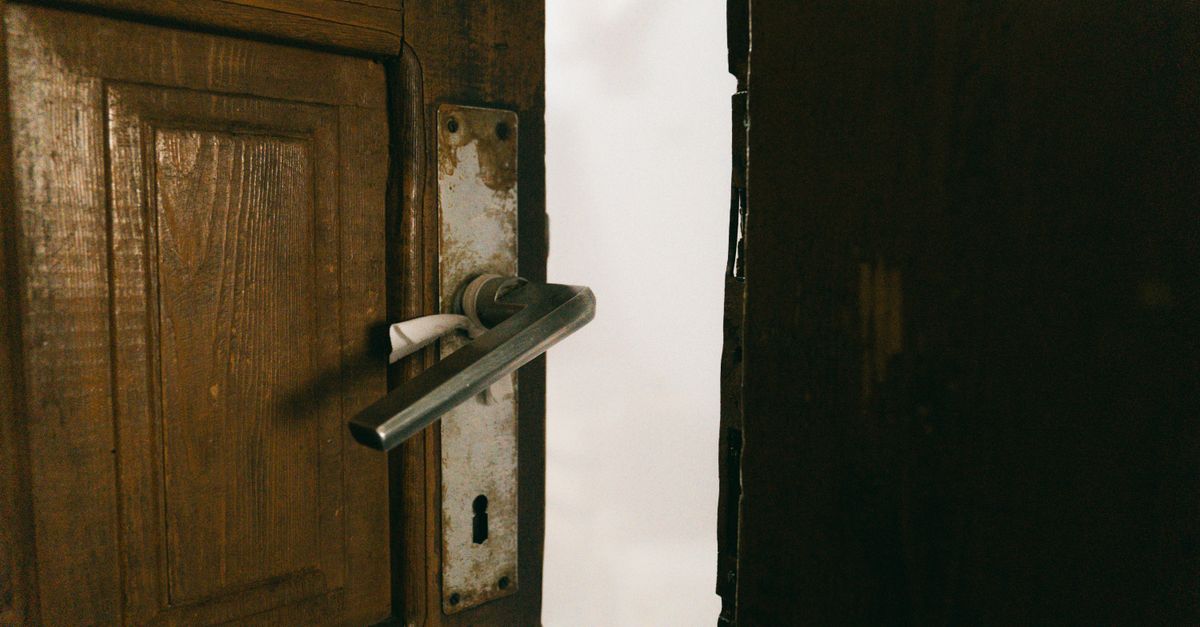
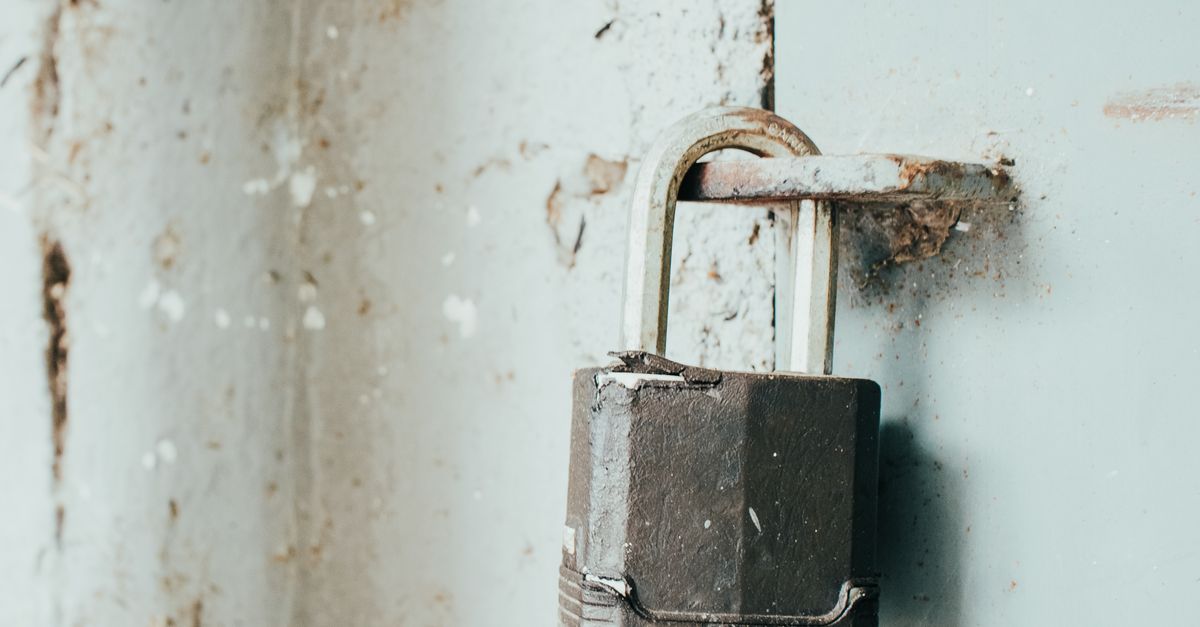
Not every faulty knob lock is beyond saving, but many homeowners wait too long before addressing the real problem. A knob lock that wobbles in its rose plate, a keyway that accepts the key but refuses to rotate past a certain point, or a latch bolt that no longer spring-returns after you release the door are all signs of internal mechanism failure — not simply a lubrication issue. Rust and corrosion inside the lock cylinder, common in homes close to the Long Island Expressway service road where road-salt spray migrates during winter months, can fuse the pin stacks and make the lock unpickable and unturnable at the same time. When that happens, replacement is the only reliable fix.
There is also a security dimension worth understanding. Standard residential knob locks — even a double lock door knob configuration — are categorized as secondary security hardware by most security professionals. The knob itself creates a mechanical leverage point that, under enough force, can be separated from the door without defeating the cylinder at all. If your door relies solely on a knob lock for security, our technicians will walk you through the option of pairing a new knob set with a deadbolt or upgrading to a mortise lock assembly, which integrates the latch, deadbolt, and strike plate into a single reinforced unit mounted within the door's edge rather than bolted through the face.