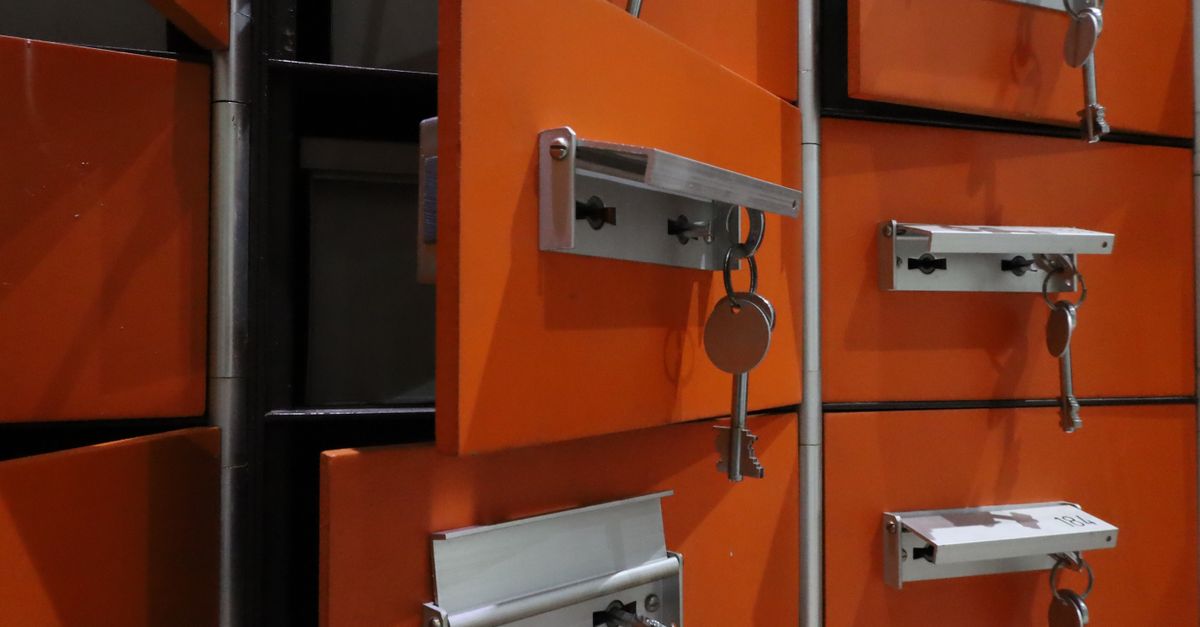

How a Tiered Master Key System Setup Works in Commercial Buildings
The architecture of a proper master key system is built around levels of access that mirror your organizational chart. At the top sits the grand master key, which operates every lock in the facility. Below that are master keys assigned to managers or department heads, each opening only the doors within their zone of authority. Further down are sub-master keys for team leads or shift supervisors, and at the base level are individual change keys issued to employees — each unlocking only a single door. For a Garden City Park office building with, say, a legal firm on one floor and an accounting practice on another, this means the building owner retains total access while each tenant's staff stays entirely within their own suite.
The hardware that makes this possible is the mortise lock — a commercial-grade cylinder mechanism set into a rectangular pocket machined into the door edge. Unlike a surface-mounted door knob lock or a simple deadbolt, a mortise lock houses the latch, deadbolt, and cylinder assembly within the door itself, making it far more resistant to forced entry and far better suited for the complex keying hierarchies a tiered system demands. Our technicians work with high-security mortise lock cylinders from trusted hardware lines including Schlage and compatible commercial-grade equivalents, ensuring the pins and cuts that create your master key levels are machined to tight tolerances that will hold their integrity for years of daily use.