Jericho Tpke Locksmith Service Team
Local locksmith team
Aug 21, 2026 4 min read
If you live on Marcus Avenue, shop near the Jericho Turnpike corridor, or own a property anywhere in Garden City Park, there is a good chance your front door is hiding a secret — and that secret determines everything about how your lock gets repaired, rekeyed, or replaced. Most homeowners assume all door locks work the same way. They do not. The two most common types you will find on Long Island homes are the mortise lock and the cylindrical door knob lock, and they are fundamentally different in design, function, and what it takes to service them.
Knowing which one you have is not just trivia. It affects how quickly a locksmith can help you, what parts are needed, and how long the job takes. This guide walks you through exactly how to tell them apart, what each one means for your security, and what to expect when something goes wrong — so you are never caught off guard on a cold night in Nassau County wondering why your key stopped turning.
Frequently asked questions
How do I tell if my door has a mortise lock or a cylindrical knob lock?+
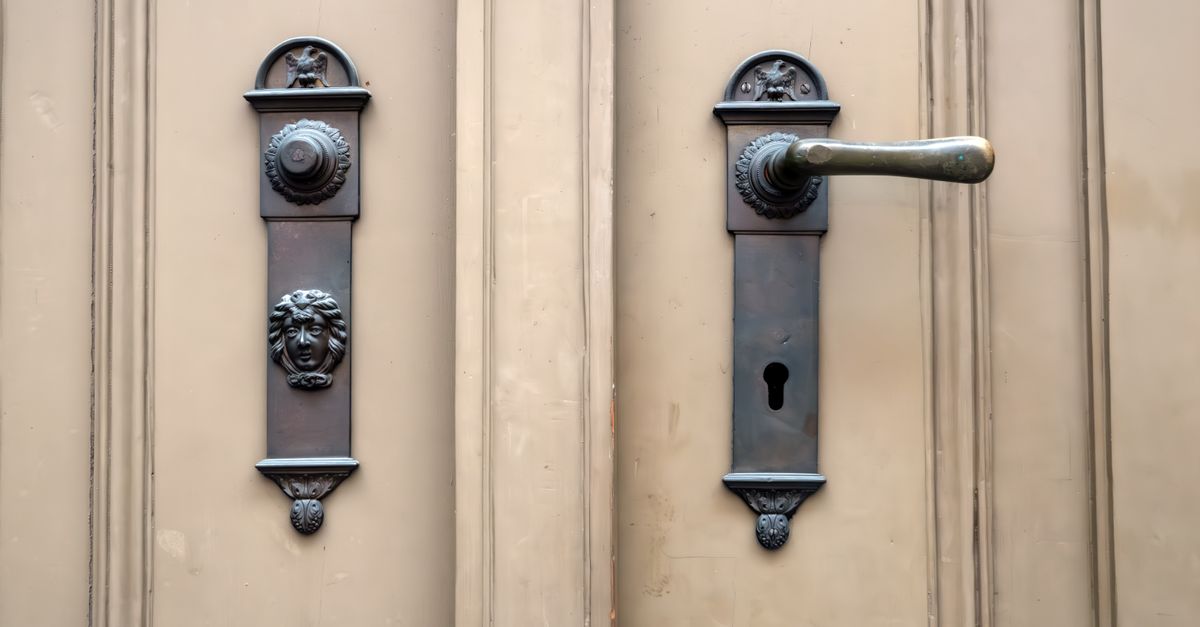
Open your door and look at the edge — the narrow strip between the door face and the frame. A mortise lock will have a tall, rectangular steel faceplate, often three to six inches in height, with visible latch and bolt openings. A cylindrical knob lock will have a small, round or compact faceplate about the size of a large coin. On the door face itself, a mortise lockset typically uses a single decorative plate (escutcheon) that houses both the handle and the keyhole, while a cylindrical setup has a separate knob or lever that is mounted through a drilled hole. If you are still unsure, send us a photo or describe what you see when you call — we can often identify the lock type before we even arrive.
Can a mortise lock be rekeyed the same way as a standard door knob lock?+
Rekeying a mortise lock and rekeying a cylindrical knob lock both change the internal pin configuration so your old key no longer works and a new key does — but the process is different for each. Mortise lock cylinders must often be removed from the lock case before the pins can be accessed, and some older or European-style mortise cylinders use a different pinning format than standard residential cylinders. A cylindrical knob lock is generally faster to rekey because the cylinder is more accessible. Either way, both are jobs for an experienced locksmith — improper rekeying can leave a lock that appears to work but is not actually secure.
Is it worth upgrading from a knob lock to a mortise lock set on my front door?+
It depends on your door, your frame, and your security goals. Mortise lock sets offer a larger bolt throw, a more robust internal mechanism, and often a combined latch-and-deadbolt in a single unit — advantages that matter for main entry doors. However, installing a mortise lock on a door that was not originally built for one requires cutting a precise mortise pocket, which is skilled carpentry work done alongside the locksmith service. For many Garden City Park homeowners, adding a quality deadbolt above an existing cylindrical knob lock delivers a meaningful security improvement at a lower complexity level. A qualified locksmith can assess your specific door and frame and walk you through the options that make sense for your situation before any work is quoted or started.
What should I do if I am locked out and think my mortise lock mechanism has broken — not just a lost key?+
Do not attempt to force the door or try to manipulate the lock yourself, as this can cause additional damage to the door, the frame, or the internal lock components — potentially turning a repair into a full replacement. First, check whether any other entry point to the home is accessible — a back door, a garage entry, or a window you know is unlocked. Check whether a trusted neighbor or family member has a spare key. If no safe alternative exists, call a locksmith who has specific experience with mortise lock systems. At Jericho Tpke Locksmith, we handle broken-mechanism lockouts differently from simple lockout calls — our technicians come prepared for internal component failures, not just key issues. Call 516-774-5656 and we will walk you through what to expect before we arrive.